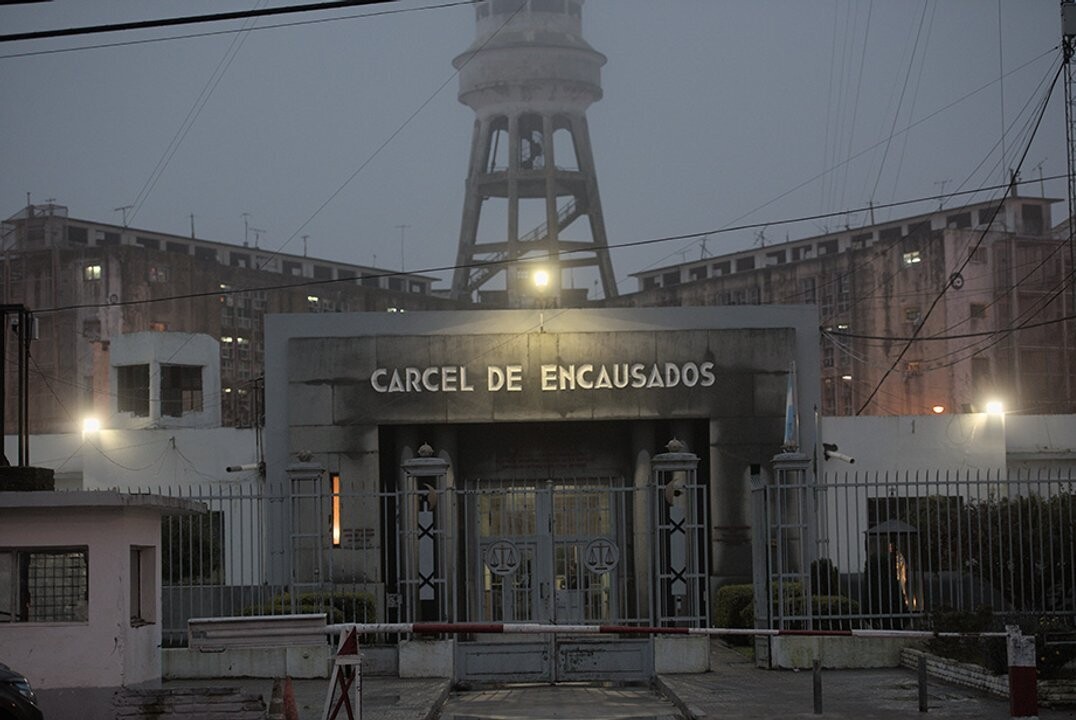
Three women will remain detained in the Olmos prison after their request for release on bail was denied. They are accused of belonging to an organization that extorted men through applications, and one of their victims was soldier Rodrigo Gómez, who committed suicide in the Quinta de Olivos. According to the Argentine News Agency and as indicated on the Fiscales.gob website, the gang was also made up of three other men operating from the prisons of Magdalena and Olmos in Buenos Aires, a fourth woman, and other people who have not yet been identified. The measure was taken by the head of Federal Court No. 1 of San Isidro, Sandra Arroyo Salgado, in line with the ruling by prosecutor Federico Iuspa, in charge of the Federal Prosecutor's Office No. 1 of that jurisdiction. The organization would have operated, at least, between December 14, 2025, and February 9 of this year, and is initially attributed to three facts, among many others still to be clarified. The Minister of Security, Alejandra Monteoliva, previously explained that the seven inmates operated the organization from the penitentiary unit, while the women were the band's collectors, the ones who went to pick up the money paid by the victims of the extortions, for which they would also have subjected Gómez. At the same press conference, Arroyo Salgado stated: "The most worrying thing is that this is not new, because we have countless precedents of serious crimes committed from the prison, thanks to the unrestricted use of a cell phone, which today is a tool, but which, as in this case, is a lethal weapon." The case began on December 16 last, after the discovery of the body of a 21-year-old man, who belonged to the Chacabuco Squadron of the General San Martín Grenadier Regiment on Horseback of the Argentine Army, who took his own life inside one of the guard posts of the presidential residence, where he was performing custody functions. The young man had left a letter where he said goodbye to his family, asked for forgiveness, and expressed anguish over the consequences of having been a victim of the criminal group and stated: "I regret, mom, for this stupid decision. But I don't want to be a burden to anyone anymore and I don't want to give you problems anymore." In this context, the defense of three of the women requested release on bail, but prosecutor Iuspa opposed the motion considering the seriousness of the facts, the possible existence of more victims, and the tragic outcome of the soldier, which evidenced concrete procedural risks. The representative of the Prosecutor's Office argued that, if they regained their freedom, the accused could obstruct the investigation or evade the action of Justice, since there are still pending measures of proof and the participation of other people in the maneuver is not ruled out. In addition, he emphasized that the organization would have acted with a coordinated structure and with the ability to intimidate victims through threats to spread supposed intimate content in digital environments, a modality that was part of the extortion mechanism. The magistrate agreed with these arguments and rejected the requests for release under warning that risks of obstruction and recidivism persist while awaiting the results of the analysis of the seized mobile phones, which could provide new elements to the case.